
The Power of Arduino : Building Skills from Circuits to Creativity
Introduction to Arduino and Its Role in Technology
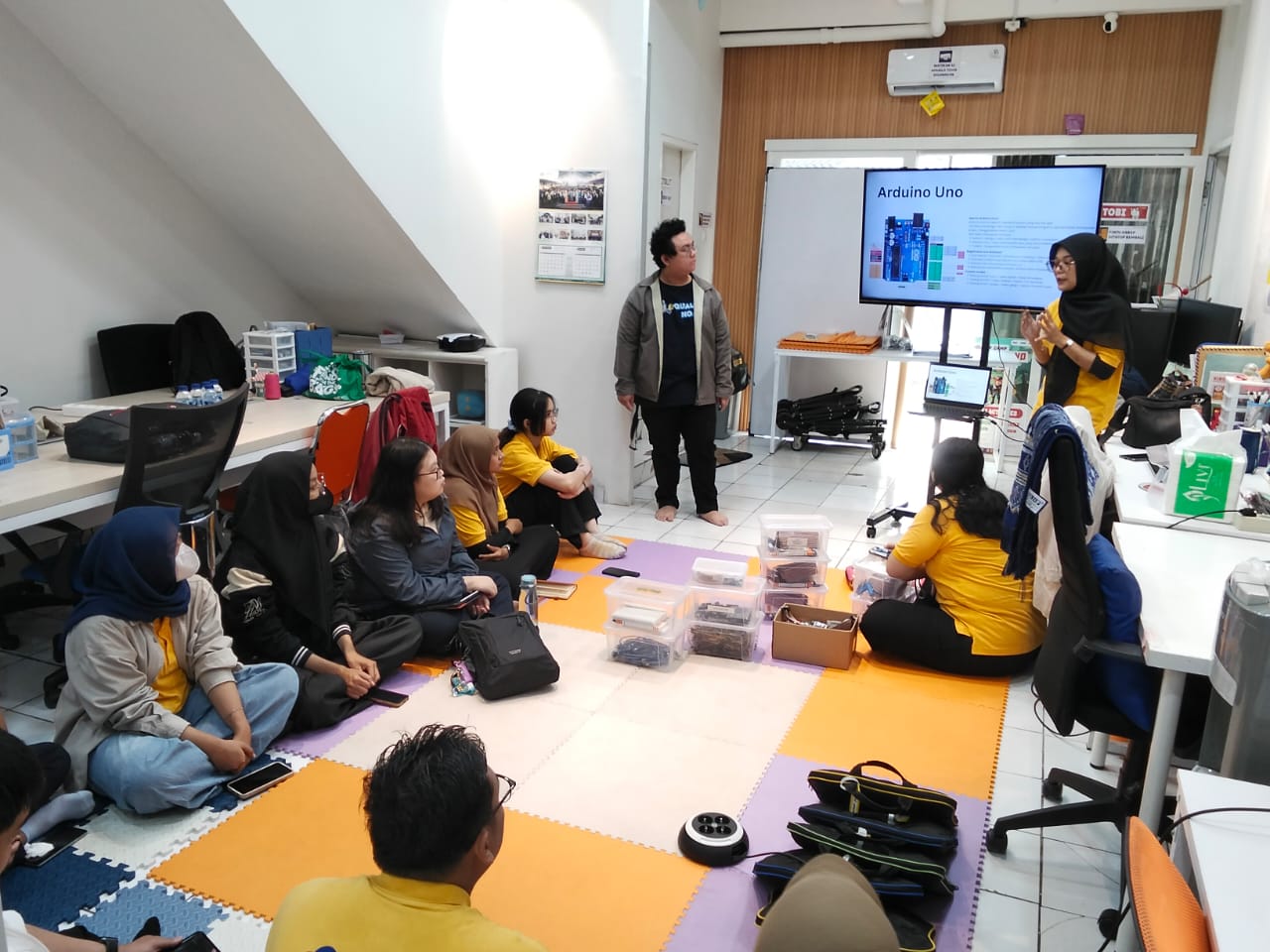
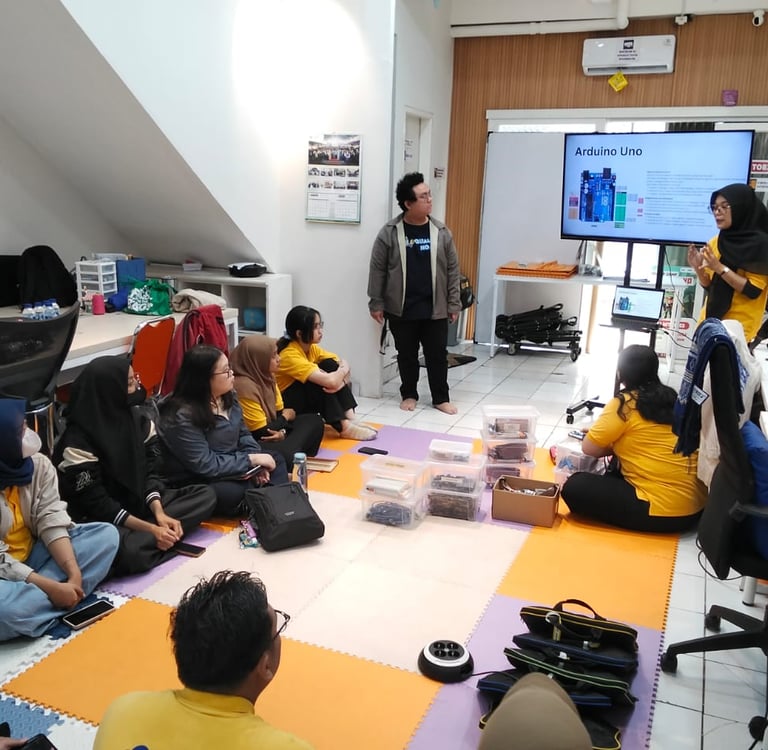
The training began with a clear overview of what Arduino is and why it has become a cornerstone in modern technology learning. Participants were introduced to the concept of microcontrollers, the importance of open-source hardware, and how Arduino enables beginners to step into the world of electronics and coding with ease. This session helped participants understand that Arduino is not only a tool for hobbyists but also a gateway for innovation in education, industry, and entrepreneurship.
Arduino is an open-source electronics platform that allows individuals to create interactive projects through programming and hardware development. This introductory section provides a brief overview of Arduino's history, its components, and the significance of the platform in the world of electronics and programming education.
Exploring the Arduino Board and Its Components
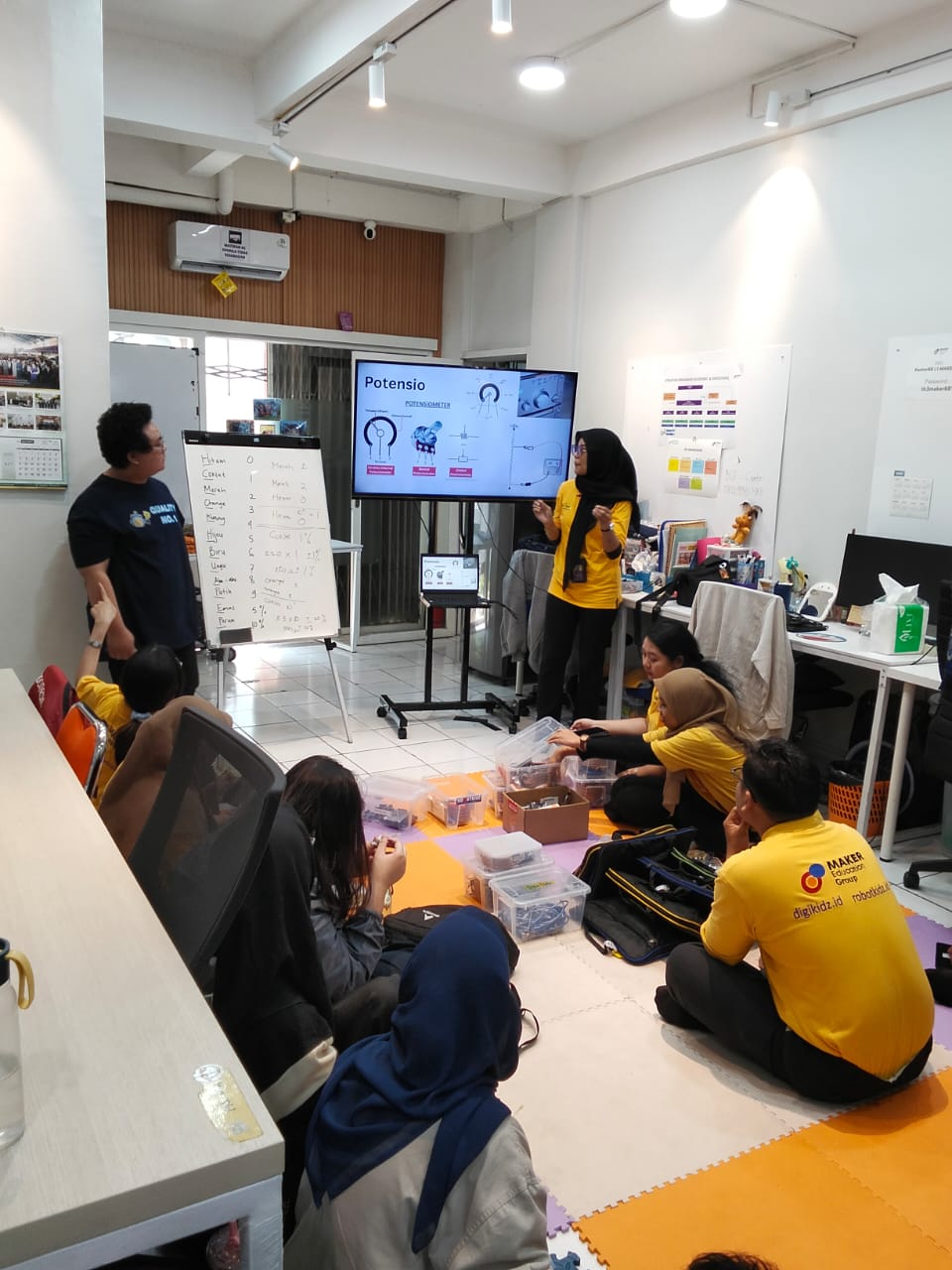
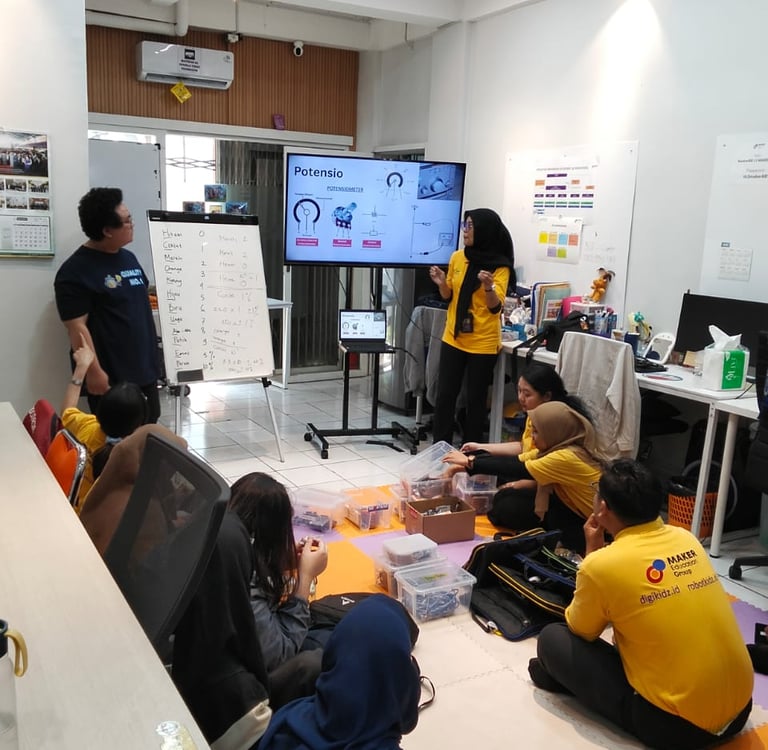
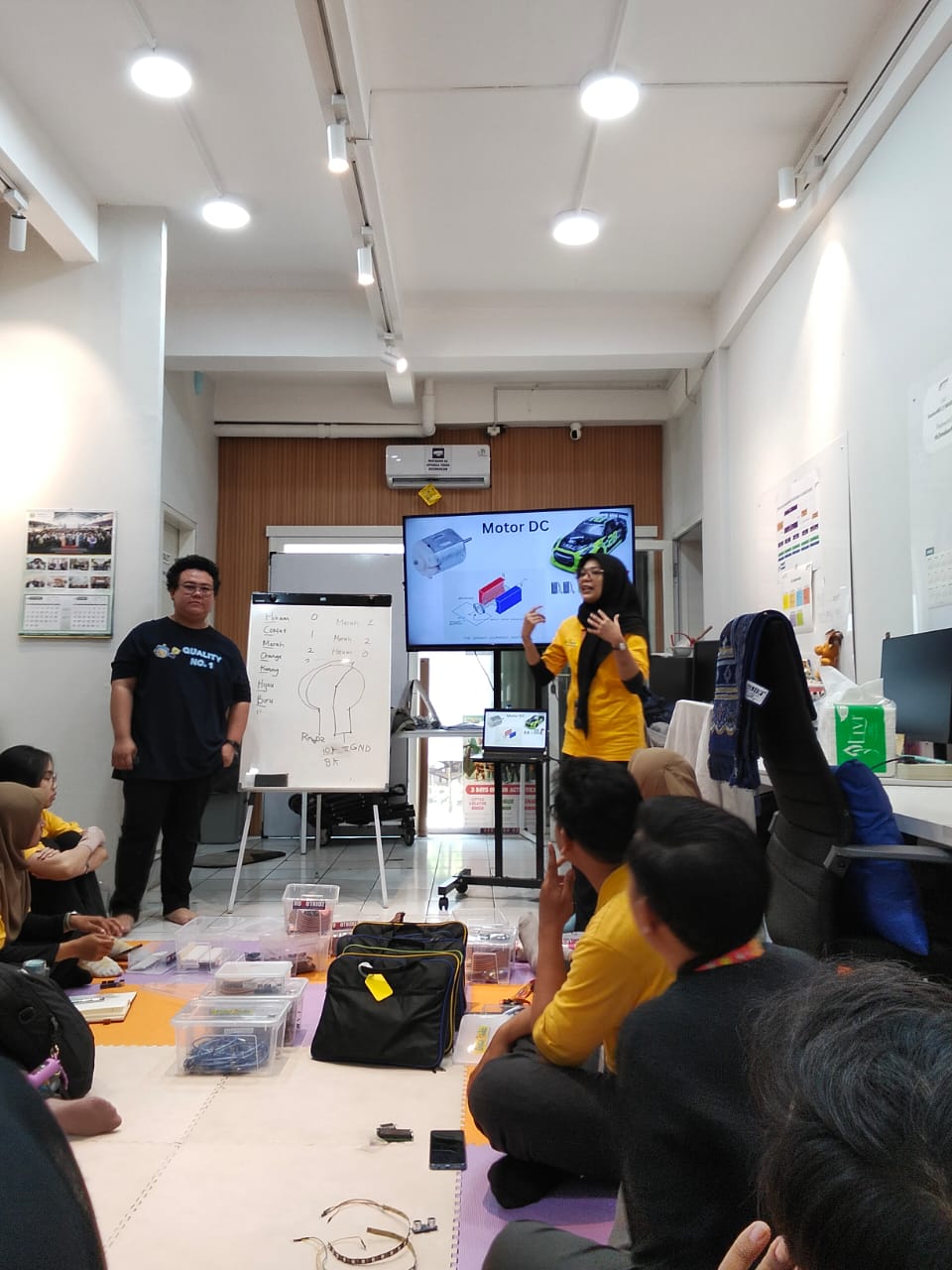
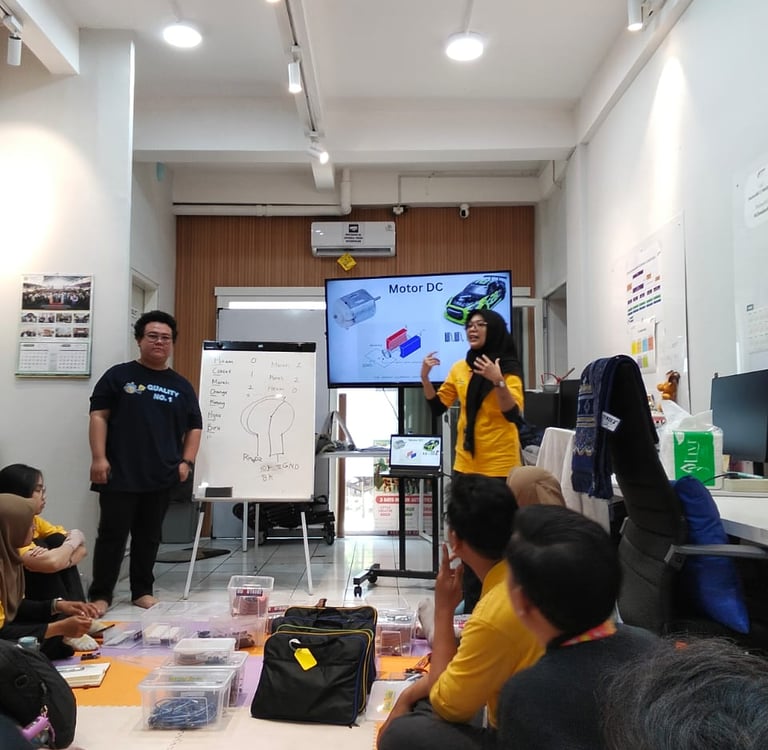
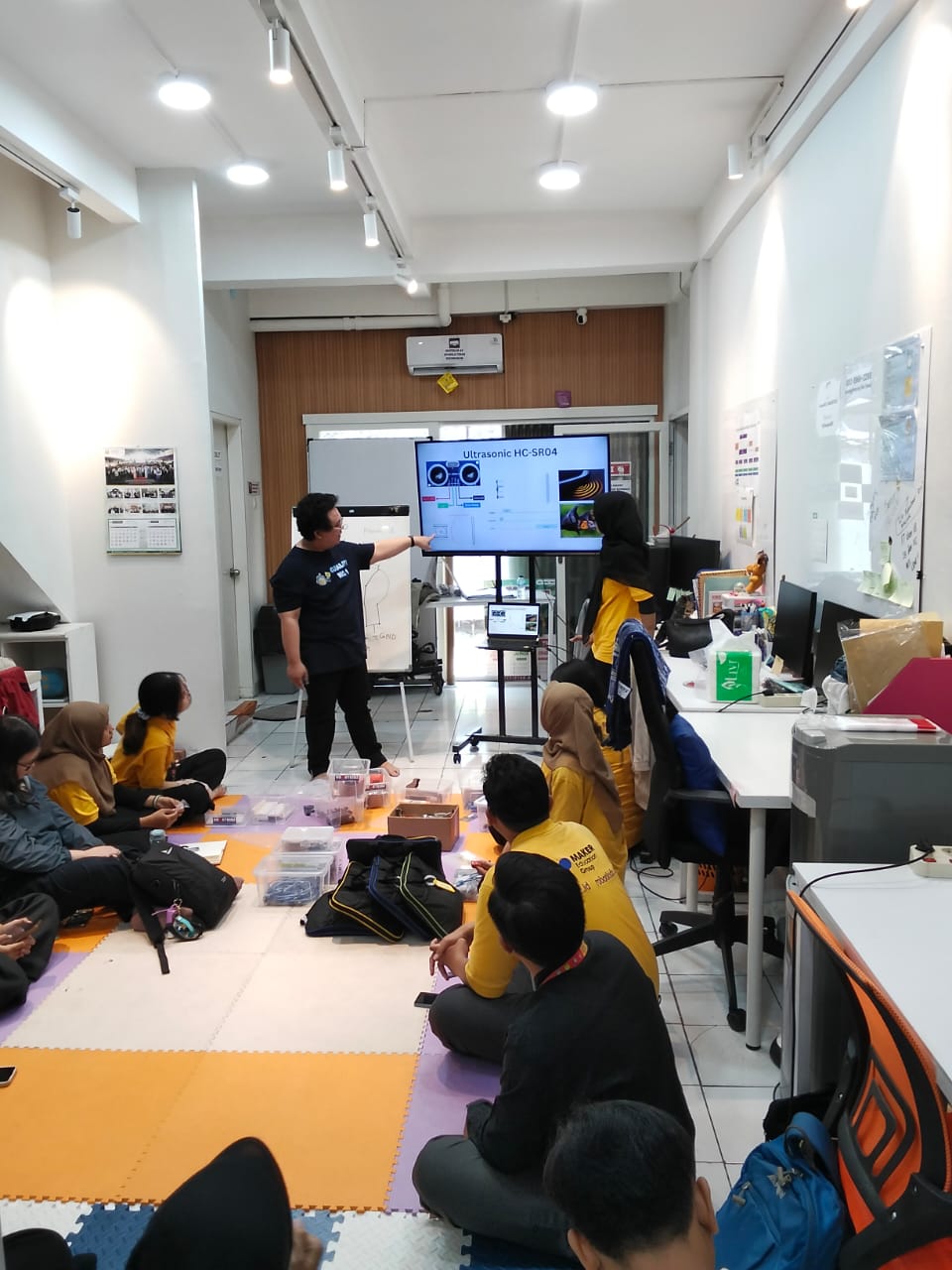
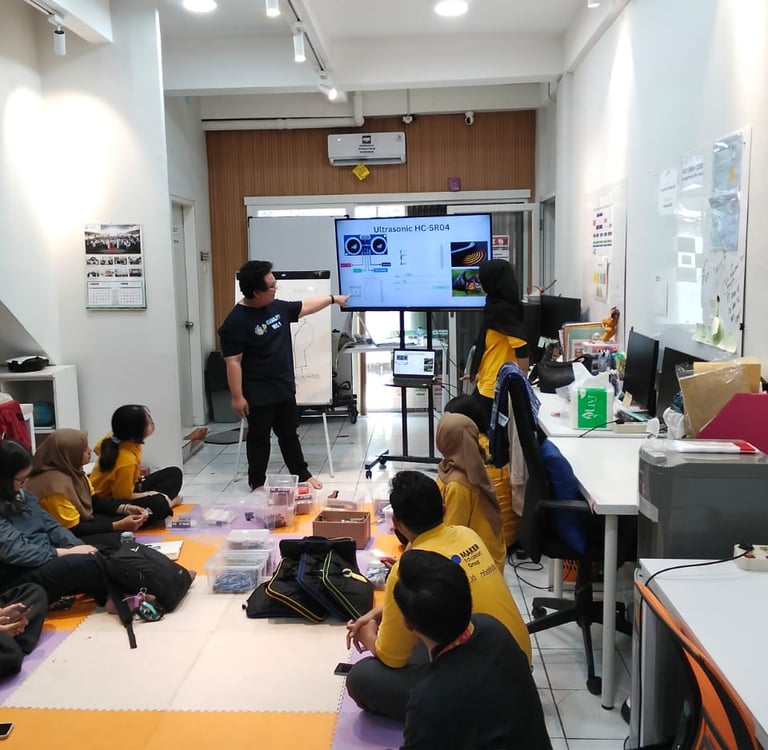
A deep dive into the physical components of an Arduino board followed, where participants learned about essential parts such as digital and analog pins, the microcontroller chip, USB connection, and power supply. Trainers demonstrated the functions of each component, ensuring that participants could identify their roles in building circuits and projects. By physically examining the board, learners gained confidence in connecting hardware and understanding how signals flow through the system.
The essential elements of an Arduino project include the Arduino board, sensors, and actuators. It is crucial to understand how these components interact to create functional electronic systems. In this section, we will discuss the various types of Arduino boards available, their specifications, and how to select them based on project requirements. Additionally, we will explore different sensors and actuators that can be utilized in projects, ranging from basic applications to more complex implementations.
First Steps in Programming with Arduino IDE
The training then shifted into coding, with a hands-on introduction to the Arduino Integrated Development Environment (IDE). Participants were guided on how to set up the software, write their first lines of code, and upload simple programs such as the famous “Blink” LED project. This section highlighted the seamless connection between coding and hardware, showcasing how even simple scripts can create tangible, real-world outcomes.
Programming is a fundamental skill for anyone looking to work with Arduino. This section delves into the Arduino programming language, which is primarily based on C/C++. We'll cover the simple syntax, basic functions, and structure of Arduino sketches. Furthermore, we will discuss how to set up the Arduino IDE (Integrated Development Environment) and the steps necessary to upload code to the board. By the end of this section, readers should feel confident in writing and uploading their first sketch.
Practical Projects and Hands-On Experience
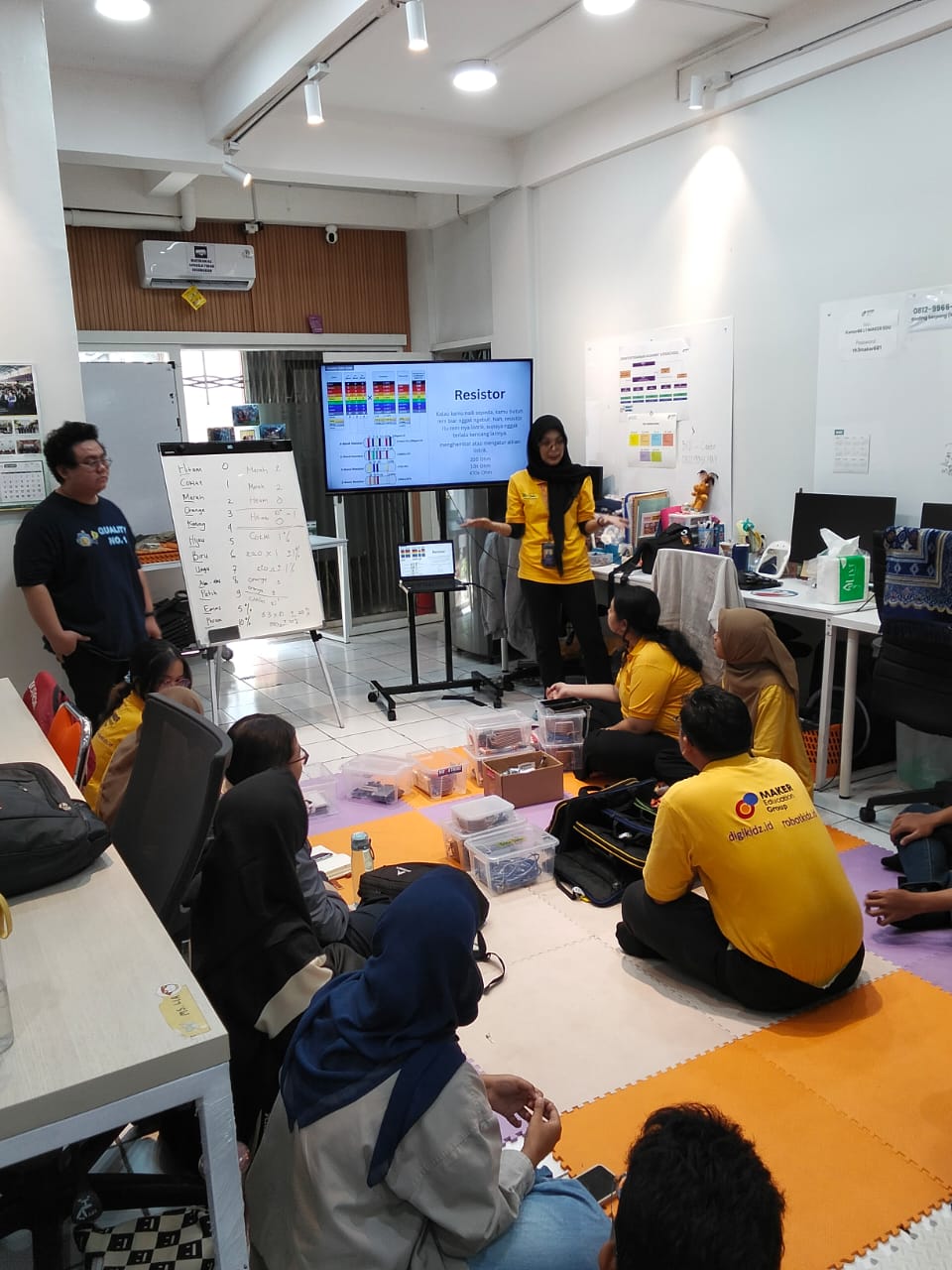
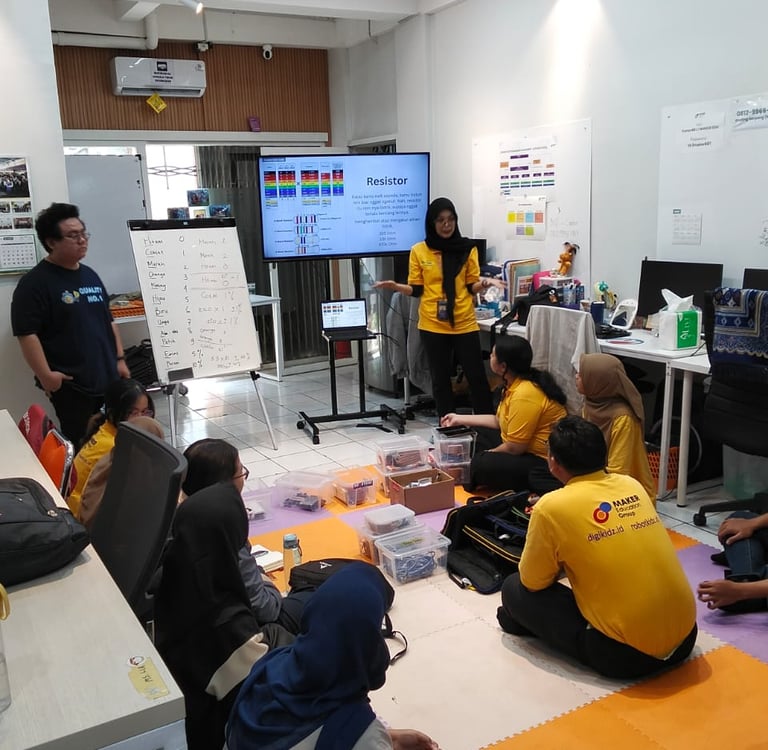
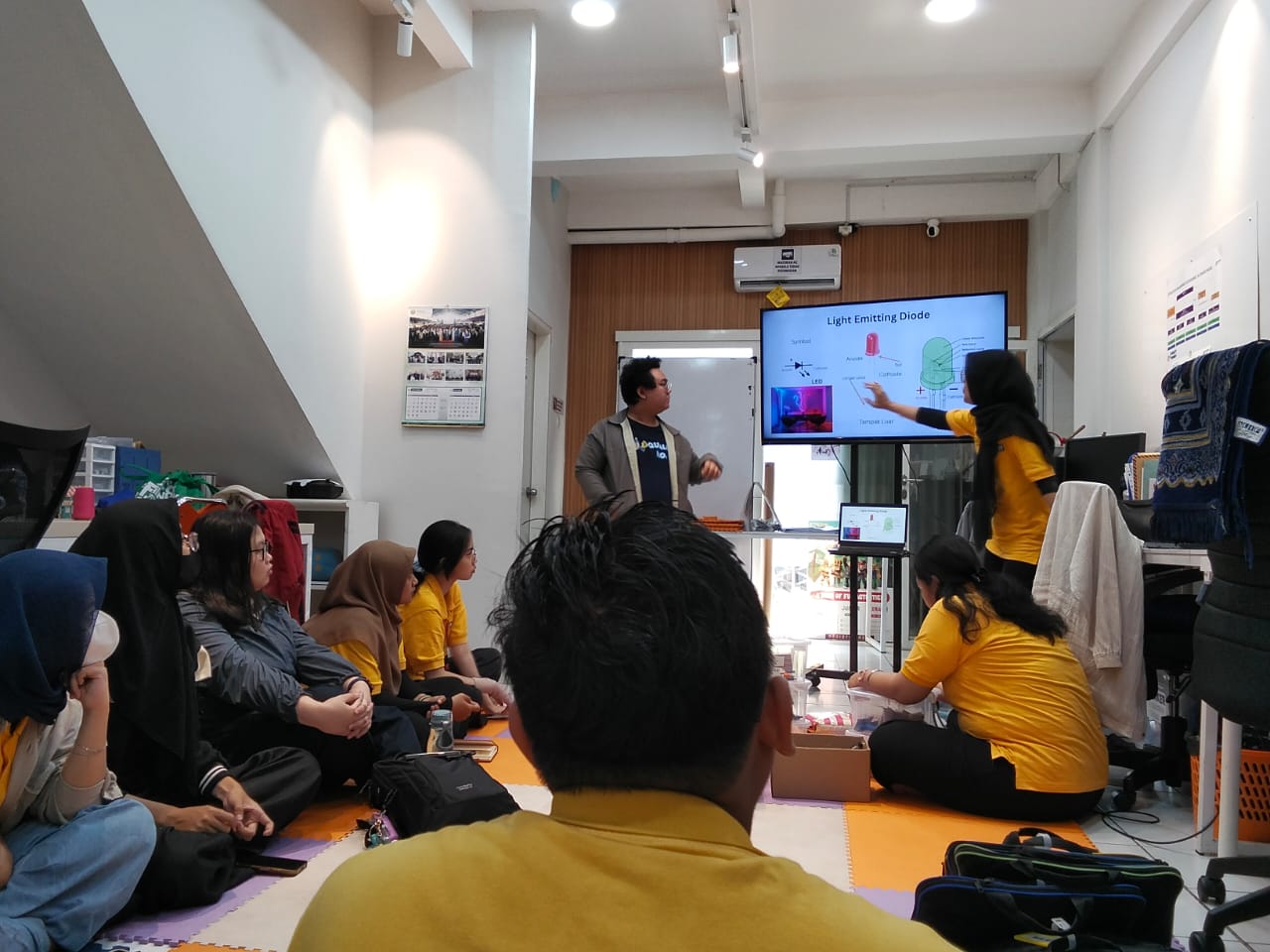
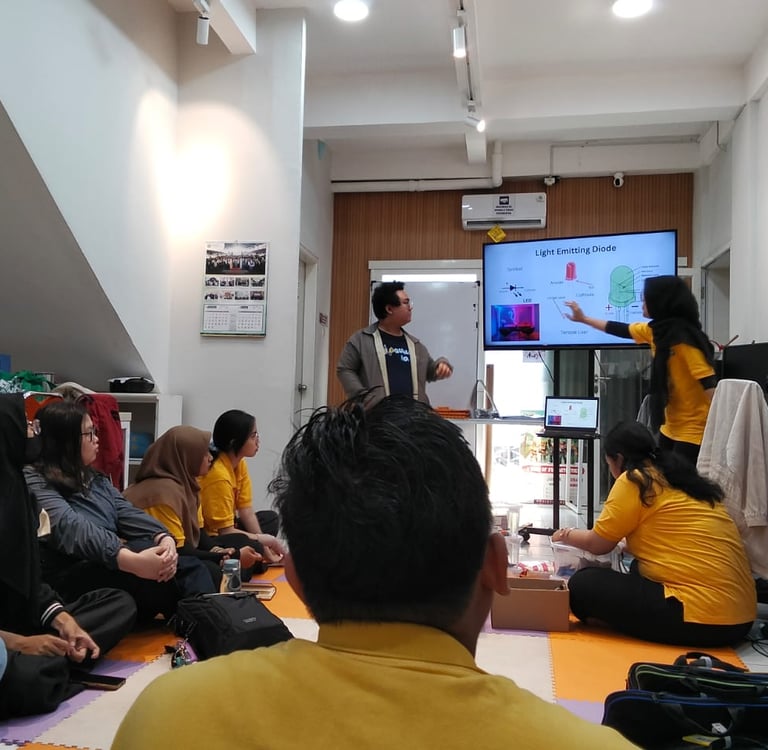
One of the most exciting parts of the training was the hands-on project building session. Participants experimented with LEDs, resistors, sensors, and other basic components to create interactive mini-projects. These activities encouraged problem-solving, teamwork, and creativity. Through trial and error, participants discovered the power of Arduino to turn imagination into working prototypes, reinforcing the importance of learning by doing.
After gaining familiarity with the components and programming, the next step is to build a beginner-level project. In this part, we will outline a simple project, such as a LED blink circuit. Step-by-step instructions will guide readers through the process of connecting hardware components, writing the corresponding code, and troubleshooting potential issues. This hands-on approach reinforces learning and allows participants to apply their knowledge effectively.
Reflections and Future Applications of Arduino
The training concluded with a reflection on the lessons learned and a discussion of future applications of Arduino. Participants shared their excitement about how they could apply their new knowledge to school projects, hobby innovations, or even real-world problem-solving. Trainers emphasized that Arduino is more than just electronics—it’s a mindset of creativity, innovation, and continuous exploration. The session left participants motivated to keep building and to see themselves as creators of tomorrow’s technology.
For those looking to expand their skills beyond the basics, this section presents several advanced project ideas that incorporate more complex sensors and functionalities. We will provide resources for further learning, including online courses, forums, and community projects that can help participants dive deeper into the world of Arduino development. Emphasizing the importance of continuous learning fosters a culture of innovation among aspiring creators.


Contact Us
info@makereducation.id
+62 822 9943 1484







© PT DIGIKIDZ INDONESIA
MAKER Education Group 2026