
Empathy in Action : How Gentle Discipline Shapes Emotionally Resilient Children
Introduction to Gentle Discipline
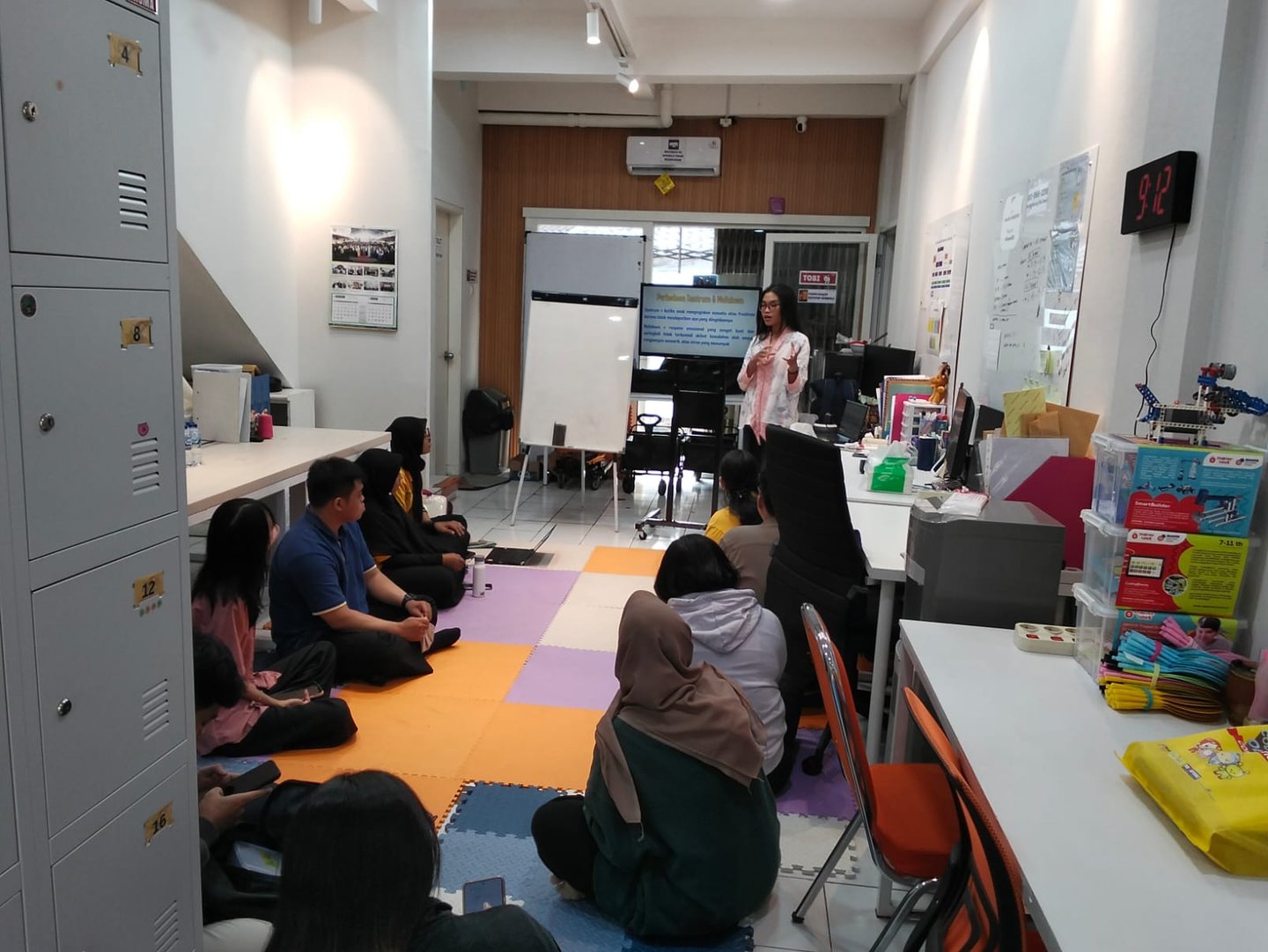
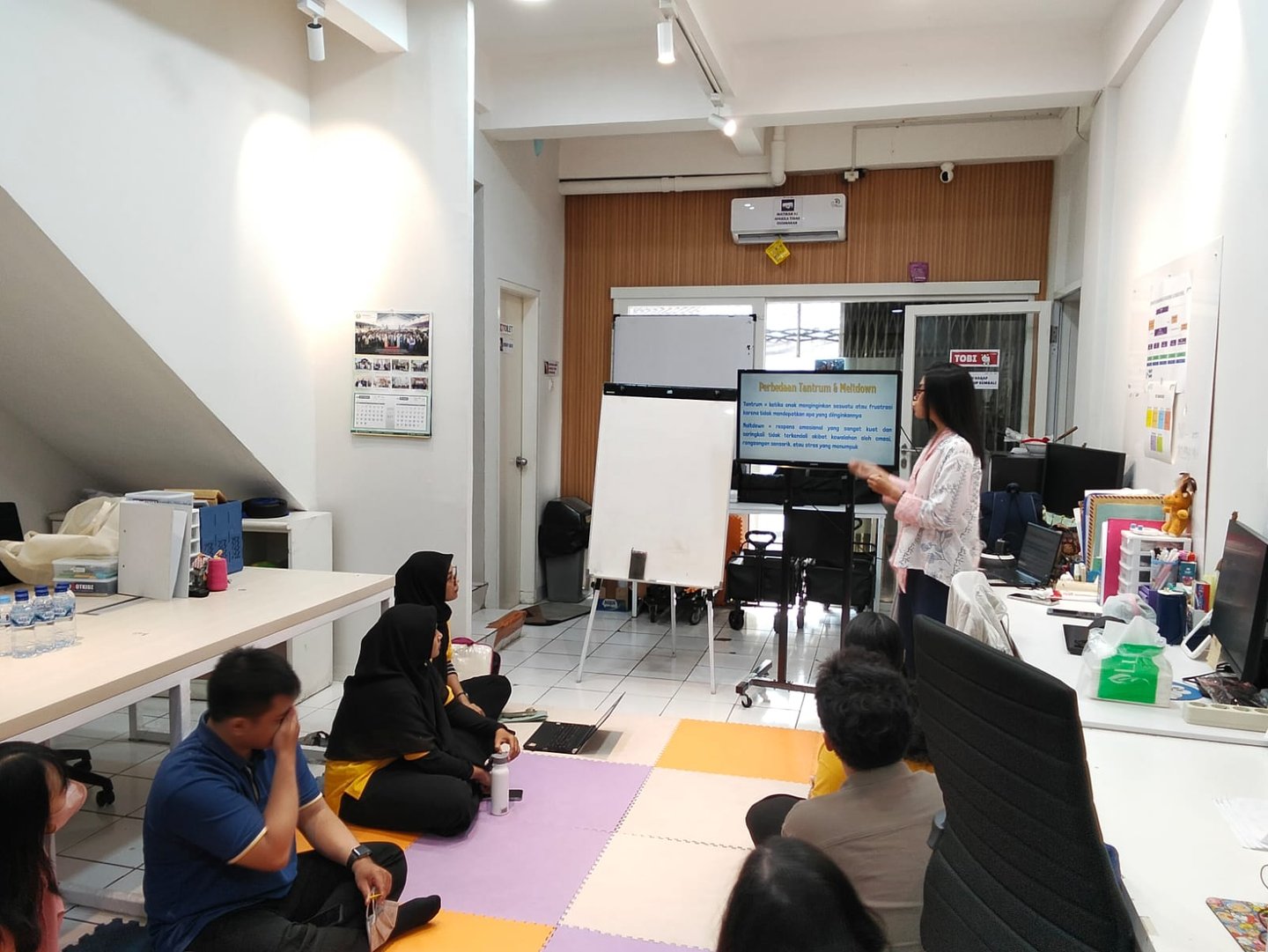
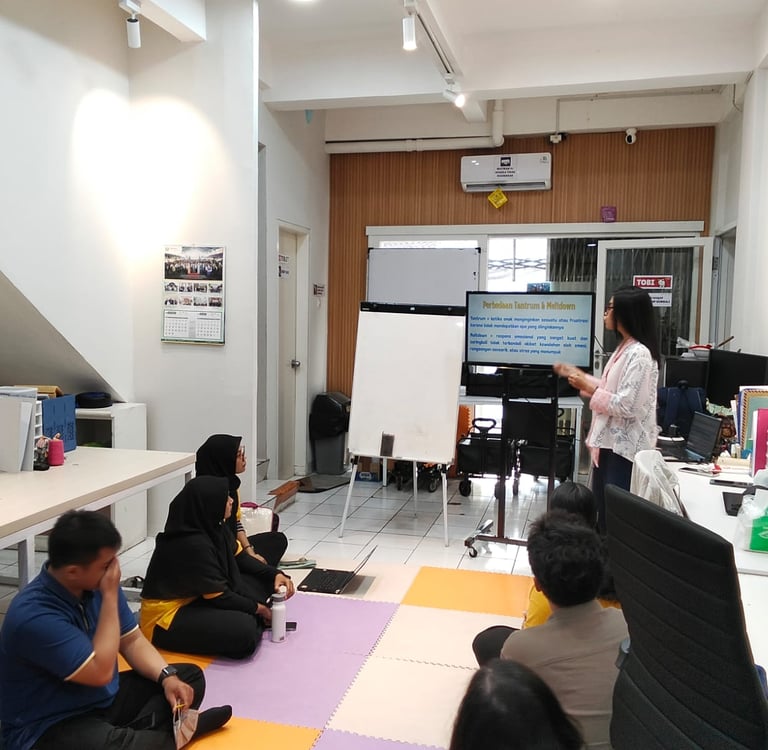
In the realm of child-rearing, gentle discipline serves as a compassionate approach for managing behavior. Rooted in respect and understanding, this method addresses both the emotional and developmental needs of children. The recent training session focused on the concept of gentle discipline, emphasizing its significance in acknowledging the intense emotions that young children frequently experience.
Understanding Big Feelings
The session began by redefining what “discipline” truly means. Instead of punishment or control, gentle discipline focuses on guidance, respect, and emotional learning. Participants explored how children’s behavior is often a reflection of unmet needs or overwhelming emotions, not defiance. By understanding the root cause behind tantrums, meltdowns, or resistance, parents can respond calmly and help children build self-regulation skills over time. The facilitator emphasized that connection always comes before correction.
Children often find themselves overwhelmed by their emotions, leading to outbursts and challenging behavior. During the training, participants learned to recognize these big feelings as normal components of growing up. Identifying emotions such as anger, frustration, or sadness allows caregivers to respond appropriately instead of reacting with frustration. The training encouraged caregivers to validate these feelings, helping children articulate their emotions in a safe environment.
Recognizing and Validating Big Feelings
Children experience emotions just as intensely as adults — but without the same tools to manage them. This segment focused on helping parents recognize the importance of emotional validation. Through interactive discussions, participants practiced using empathy-driven responses such as “I can see you’re upset” or “It’s okay to feel angry, but let’s find a safe way to express it.” By naming and normalizing emotions, parents can teach children that feelings aren’t something to fear or hide, but to understand and express constructively.
Effective communication is crucial when dealing with children’s emotions. The session highlighted strategies to enhance interactions with young ones, emphasizing active listening and age-appropriate language. It advocated for the importance of giving children the space to express themselves without fear of judgment. By encouraging open dialogue, parents and caregivers can foster trust and understanding, which are vital for building emotional intelligence.
Setting Boundaries with Love and Consistency
Gentle discipline doesn’t mean permissive parenting. In this part of the training, parents learned how to set clear, firm, and loving boundaries. The trainer shared real-life examples of positive language, such as saying “Let’s try again with gentle hands” instead of “Don’t hit!” — reframing instructions to guide behavior instead of shaming it. Participants also discovered the importance of consistency — how predictable limits make children feel safe and secure, even when they disagree with the rules.
The training provided practical techniques for implementing gentle discipline in everyday situations. Caregivers were introduced to methods such as setting clear boundaries and providing choices, which help children feel a sense of control. Techniques like distraction and redirection were also discussed as ways to channel big feelings into more positive behaviors. Lastly, the importance of modeling emotional regulation was underscored, as children often learn how to manage their feelings by observing trusted adults.
Building Emotional Intelligence Through Everyday Moments
The session concluded by showing how everyday situations — like bedtime routines, sharing toys, or handling frustration — can become powerful opportunities to nurture emotional intelligence. Parents were encouraged to model emotional awareness by describing their own feelings calmly, using storytelling, art, or play to teach empathy and problem-solving. The key takeaway: discipline is not about control, but connection. When children feel seen and understood, they learn to manage emotions, build resilience, and develop a strong sense of self.
The gentle discipline training offered invaluable insights into supporting children through their emotional journeys. By embracing a compassionate approach, caregivers can help nurture resilience and emotional literacy. Recognizing the interplay between big feelings and little voices sets the groundwork for a more harmonious parent-child relationship. As society evolves, incorporating these principles of gentle discipline will prepare children not only to express themselves but also to handle emotions in a constructive manner.


Contact Us
info@makereducation.id
+62 822 9943 1484







© PT DIGIKIDZ INDONESIA
MAKER Education Group 2026